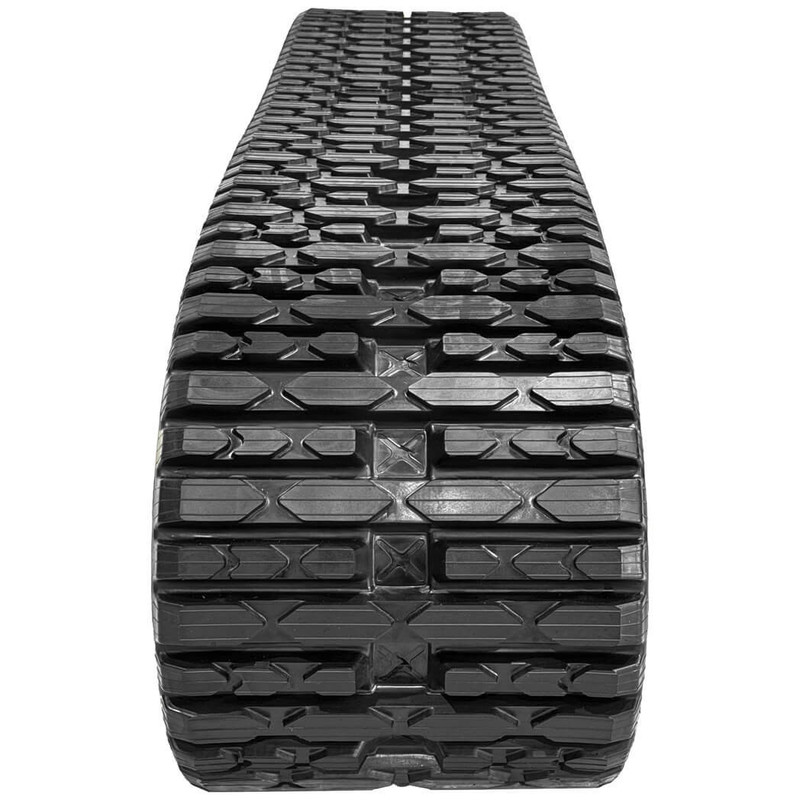
Not all job sites are created equal—and neither is the impact they have on your rubber tracks. Whether you’re working on rocky terrain, sandy soil, wet ground, or paved surfaces, each environment places unique stress on your track loader or mini excavator‘s rubber tracks. Knowing how your job site affects track performance helps you choose the right tracks and apply the right operating strategies to extend lifespan, improve traction, and boost machine productivity.
⛰️ 1. Rocky, Uneven Terrain = High Abrasion Risk
Rocks, concrete debris, and jagged surfaces act like sandpaper on your tracks. They can:
❌ Tear through tread lugs
❌ Slice sidewalls
❌ Accelerate undercarriage wear
What to do:
✅ Choose rubber tracks with deep, aggressive tread and reinforced sidewalls
✅ Operate at lower speeds to reduce impact
✅ Avoid dragging or pivot-turning on sharp surfaces
Premium all-terrain rubber tracks from Ironhorse are built to handle this type of abuse without giving in.
️ 2. Muddy & Wet Job Sites = Traction Challenges
Slippery conditions are a top cause of track slippage and operator accidents. Without the right tread, your machine can bog down, spin out, or even slide off course.
What to do:
✅ Use C-Tread (chevron) patterns for mud-shedding capability
✅ Keep your tracks clean—mud buildup kills traction
✅ Monitor tension—mud can cause tracks to loosen over time
In wet weather, traction is safety. Don’t risk it with worn or shallow-tread tracks.
️ 3. Sandy & Loose Soil = Fast Wear & Clogging
Sand is sneaky. It works its way into every joint and wears down your rubber tracks through constant abrasion. It also builds up inside the undercarriage and wreaks havoc over time.
What to do:
✅ Opt for tracks with a self-cleaning tread pattern
✅ Clean undercarriages daily after operating in sand
✅ Use wider tracks to improve flotation and reduce sink-in
If your jobs are in beach zones or desert-like conditions, your rubber tracks need to be up to the task.
️ 4. Hard Surfaces & Asphalt = Heat & Vibration Hazards
Operating on paved or compacted surfaces causes increased friction, which creates heat. Excessive heat softens rubber, causing premature wear and cracking.
What to do:
✅ Use smooth or turf tread rubber tracks that glide over pavement
✅ Avoid high-speed travel on asphalt
✅ Let your machine cool down between heavy cycles
Rubber tracks made for hard surfaces are formulated with compounds that resist heat and abrasion—choose wisely.
5. Soft Lawns & Finished Landscaping = Ground Damage Risk
In landscaping and residential work, it’s not just about track survival—it’s about protecting the property you’re working on. The wrong tracks can leave ruts, destroy sod, and lead to unhappy clients.
What to do:
✅ Use turf-friendly tracks with a wider, shallow tread
✅ Avoid tight turns that dig into the soil
✅ Work during dry conditions whenever possible
Surface-sensitive jobs require rubber tracks that balance flotation with grip. Ironhorse can help you pick the right setup.
Dominate Every Job Site with the Right Rubber Tracks from Ironhorse
No matter where you operate—wet, dry, rocky, or smooth—Ironhorse Heavy Equipment Parts has the perfect rubber track solution for your machine. Don’t let job site conditions cut your productivity short. Choose smart, terrain-specific tracks that keep your track loader or mini excavator performing at its best.
Contact us today and let our experts match your job site needs with the right rubber tracks for maximum performance and durability!